





Subject Guide: Human Resources for Health Overview
The Human Resources for Health Crisis
The World Health Report 2006: Working Together for Health reveals an estimated shortage of almost 4.3 million doctors, midwives, nurses and support workers worldwide. The shortage is most severe in the poorest countries, especially sub-Saharan Africa; 36 of the 57 countries with severe shortages are located in Africa. [1] The inadequate number and maldistribution of health workers, particularly in light of the growing demand for services related to HIV/AIDs and other infectious diseases, is a fundamental concern. Without strengthened human resources for health, it will be impossible to sustain gains made in family planning and reproductive health while responding to critical demands such as the HIV/AIDS pandemic. [2]
HRH Challenges

The HRH Global Resource Center collection addresses issues such as the migration/brain drain of health workers from areas already faced with shortages, how to effectively manage and deploy health workers to provide adequate care for at-risk populations and how to ensure quality health service delivery for reproductive health and HIV treatment with limited health workers.
Addressing HRH Issues
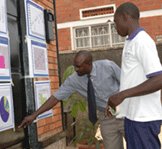
HRH planners and stakeholders employ numerous strategies to address the HRH crisis. The HRH Global Resource Center contains current articles and reports that discuss interventions such as training health workers on additional skills to improve care and performance, recruiting and educating new health workers to increase the pool of qualified people entering the workforce, retaining the current workforce and task shifting to redistribute health care activities among various health cadre workers. Other methods include partnering with the private sector and other organizations to increase the number of available health workers, and making strategic health workforce planning decisions to ensure the best use of current personnel and establish objectives to meet future health worker needs.
Recommended reading:
The HRH Global Resource Center contains additional resources on this topic in the HRH Overview section.
[1] World Health Organization. Working together for health: World Health Report 2006. 2006: http://www.who.int/whr/2006/en/index.html
[2] Capacity Project. Planning, Developing and Supporting the Health Workforce: Overview brochure. Accessed on October 1, 2008: http://www.capacityproject.org/images/stories/files/e-capacitybroch.pdf
- 8900 reads