





Subject Guide: Infectious Diseases
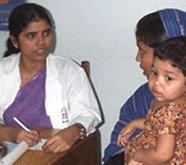
For ministries of health and other organizations, developing and managing human resources (HRH) for health are essential to the fight against HIV/AIDS. Experts in the HRH field cite constraints on human resources as a major obstacle to containing the pandemic; accordingly, HRH managers and planners must develop a comprehensive and coordinated response. Without immediate attention, the increasing pressures could lead to failed HIV/AIDS treatment and prevention efforts and ultimately the collapse of some national health systems. This is particularly relevant in sub-Saharan Africa, where HIV/AIDS has impacted the health workforce more severely than in any other region of the world. Other widespread infectious diseases such as tuberculosis and malaria constantly place additional strains on already scarce human resources and health systems.[1]
Addressing the Issue
The HRH Global Resource Center’s collection includes materials on HIV/AIDS and antiretroviral treatment, as well as malaria, tuberculosis and other infectious diseases. Current articles address significant issues that impact HRH including the prevention of mother to child transmission, stigma, workplace interventions and the vital role of counseling and testing.
Recommended reading:
[1]Capacity Project. Priority Health Areas: HIV/AIDS. Accessed on October 27, 2008.
- 5218 reads